

Drones are changing the way we care for the land. Once seen primarily as tools for recreation, Unmanned Aerial Vehicles (UAVs) are now at the forefront of ecological restoration, offering conservationists new ways to see, understand and manage the natural world.
“Using technology in conservation work helps our teams make real progress toward our landscape-scale goals,” says Clint Harris, Manager of Resilient Forests. “Given our limited capacity, it’s important to lean into tools that make fire operations safer and more efficient.”
From mapping landscapes and monitoring wildlife to tracking invasive species and assessing habitat health, drones provide a bird’s-eye view that was once costly or impossible to achieve. But perhaps their most transformative role is in the realm of prescribed fire.
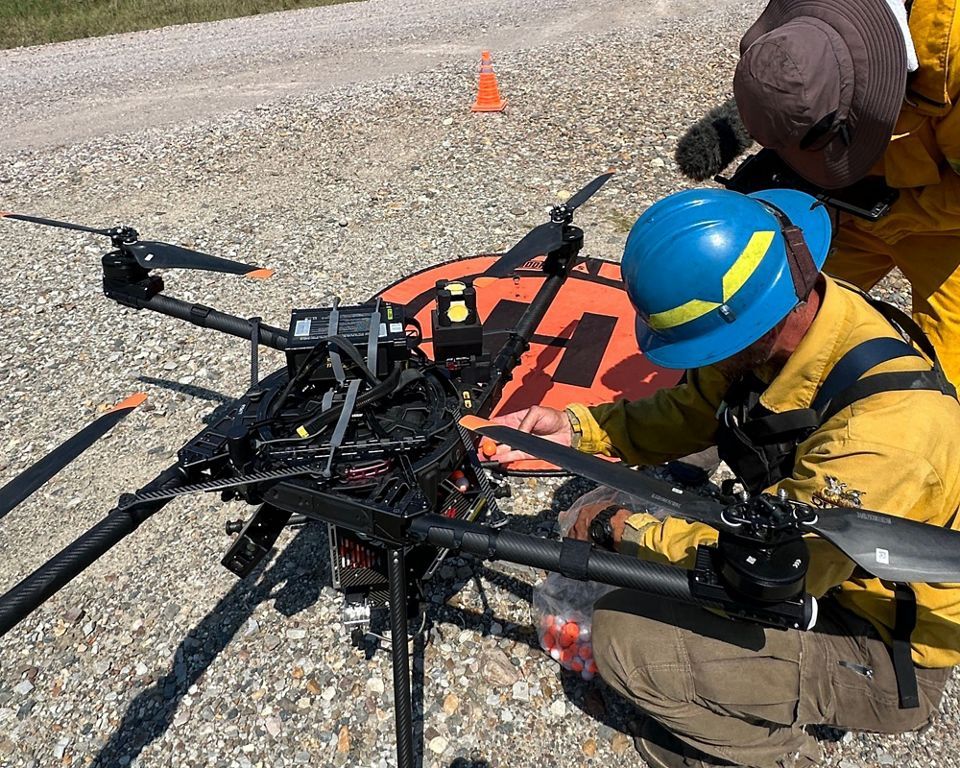
Prescribed burns are essential for maintaining biodiversity, reducing wildfire risk and restoring fire-adapted ecosystems. Yet traditional fire operations can be dangerous and labor-intensive. Drones offer a safer, more precise alternative—especially in rugged terrain or sensitive habitats. With aerial ignition systems like IGNIS, drones can drop ignition spheres from above, allowing fire crews to start burns remotely and monitor them in real time.
Images © nature


