

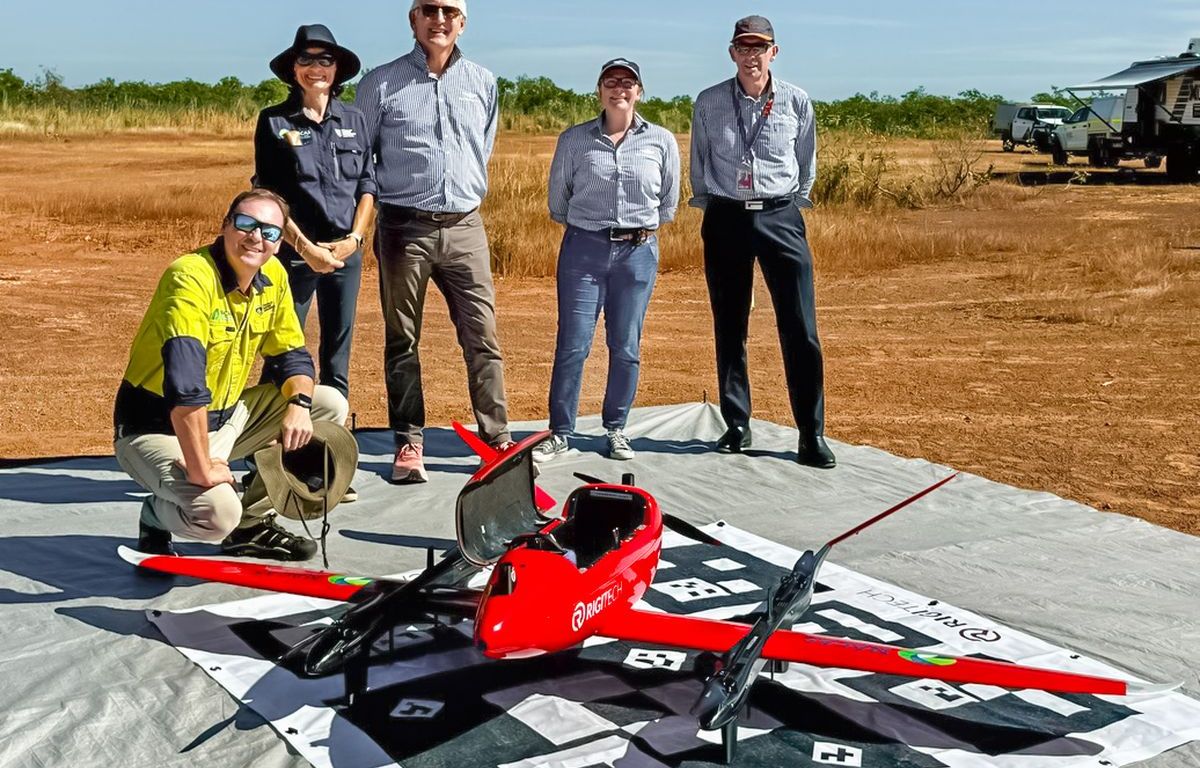
Led by the North Australia Centre for Autonomous Systems (NACAS) at Charles Darwin University (CDU) in collaboration with the Red Lily Health Board, FlyFreely and the RFDS, the three-month trial will assess the effectiveness of ‘BiBi planes’ (autonomous electrical vertical take-off aircraft) in overcoming geographical and logistical barriers that cause significant delays and costs in medical transport to remote communities.
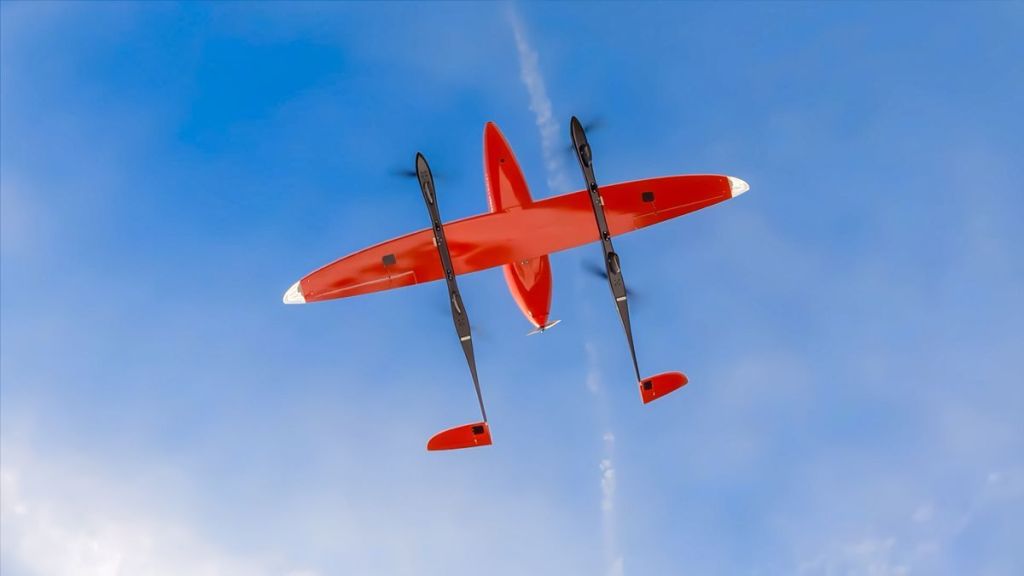
The project will establish a 58-kilometre ‘airbridge’ between health clinics in the communities of Jabiru and Gunbalanya in West Arnhem, safely enabling the delivery of medical supplies and transport of pathology samples.
Upon arrival, trained staff will offload the supplies, change the BiBi plane’s battery, reload new cargo, and return the plane to Jabiru—streamlining an hours-long process into less than 30 minutes.
A team of experienced pilots, who have undergone additional specialist drone training, will remotely pilot the aircraft.
“Remote communities in West Arnhem are often cut off by road due to seasonal flooding and therefore rely on costly crewed aircraft from Darwin for medical transport,” RFDS Executive General Manager Medical & Retrieval Services Dr Mardi Steere said.
“This project will bypass those challenges, ensuring faster and more efficient delivery of critical health supplies, including temperature sensitive medications.
Cover Photo: CDU’s NACAS team with the RFDS trialling the BiBi plane.


